See who's winning the recommendations you want
Traqer's competitor features show how a brand's AI visibility compares to a defined set of rivals, broken out by topic and model. A tracked competitors dashboard shows who appears most across all topics. Brand-level and topic-level views show share of presence against a specific competitive set. A gaps view surfaces the exact prompts where competitors appear and a client doesn't.
What's in competitor tracking
Tracked competitors dashboard
An overview of which brands are being recommended most across all of a client's tracked topics and models. This is the competitive landscape at a glance: which rivals are appearing, how frequently, and which models they're strongest on. It establishes the baseline before looking at any specific topic.
Brand-level competitor comparison
For each competitor in a client's defined set, Traqer shows their share of presence across all tracked topics and models. This is the head-to-head view: how often each brand is recommended relative to the others, per LLM.
Topic-level competitor breakdown
The same competitor comparison, broken down topic by topic and model by model. A rival that looks competitive at the brand level may dominate one or two specific topics while being absent elsewhere. Topic-level data shows where the real gaps are rather than averaging them away.
Gaps view
Highlights the specific prompts and topics where one or more competitors appear and a client doesn't. This is the most directly actionable view: a list of areas where competitors are already being recommended and a client has no presence. It translates directly into content and outreach priorities.
Mentions and citations toggle
The same mentions-vs-citations distinction that runs through the rest of Traqer applies to competitor data. You can view whether rivals are being recommended by name or cited as sources, separately. A competitor that's being heavily cited but rarely mentioned is in a different competitive position from one that's consistently named in recommendations. The toggle makes that distinction visible.
Date comparison on competitor data
Competitor visibility can be tracked over time using the same date comparison available elsewhere in Traqer. You can compare how a client's share of presence against a defined rival set has shifted between any two reporting dates, and see whether the gap is closing or widening.
How these features help agencies
Competitive context tends to be what clients care about most in a review. The tracked competitors dashboard gives you a concrete answer to who's winning the category in AI search, by topic and model, rather than a general sense of where a client stands.
The gaps view converts competitive data into a work plan. You can show a client the specific topics and prompts where competitors are appearing and they aren't, and use that as the basis for the next month's content and outreach priorities. The recommendations are grounded in live data rather than assumptions.
The topic-level breakdown stops competitive analysis from being misleading. A client that looks broadly competitive might be absent from the specific topics that matter most. Topic-level data surfaces that before it becomes a problem in a review.
Date comparison on competitor data gives you a trend narrative: not just where a client stands today, but whether they're gaining or losing ground against a specific rival over a reporting period.
For more on tracking and reporting AI visibility for clients, see our piece on AI brand monitoring and our article on AI visibility tracking tools for agencies.
Where competitor tracking fits with other Traqer features
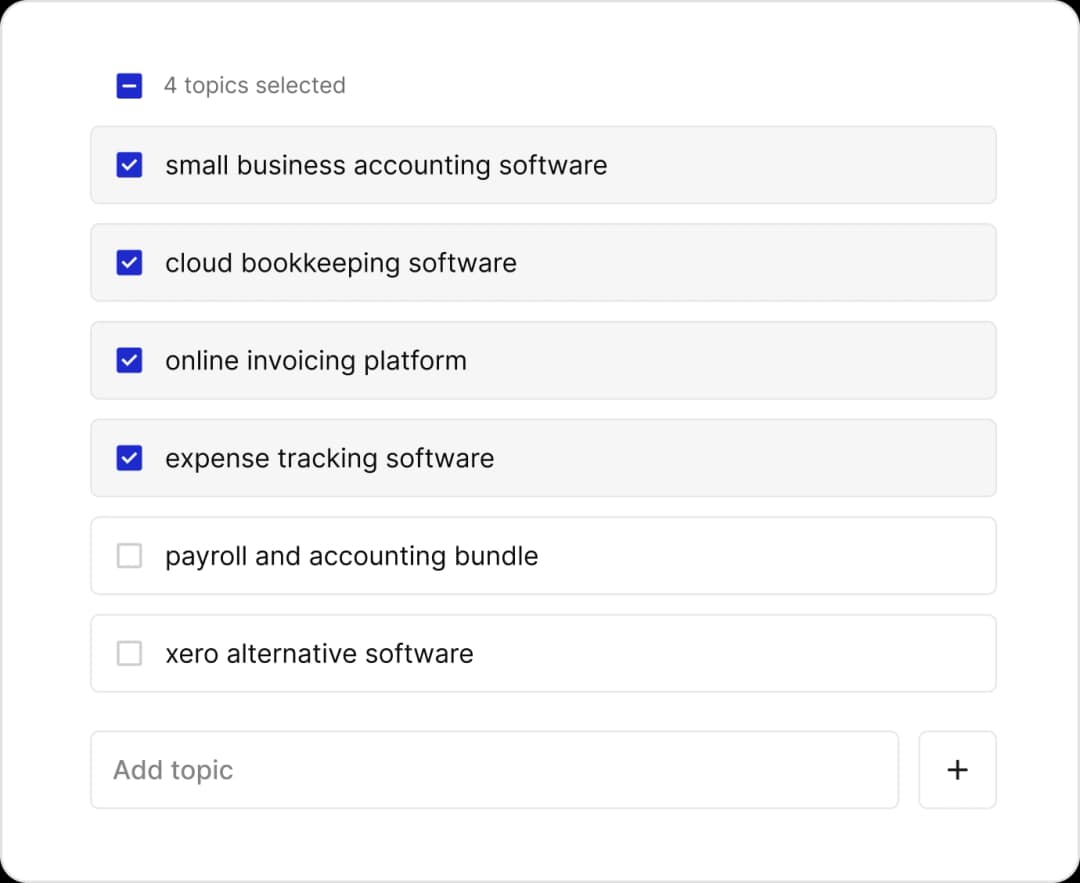
Competitor tracking works on the same topic and prompt structure set up in topic-based tracking — competitors are tracked across the same prompts and models already running for a brand, so there's no separate setup required.
Topic-based tracking
The shared foundation: topics cluster related prompts into buying-intent areas, measured weekly across every tracked model.
Reporting
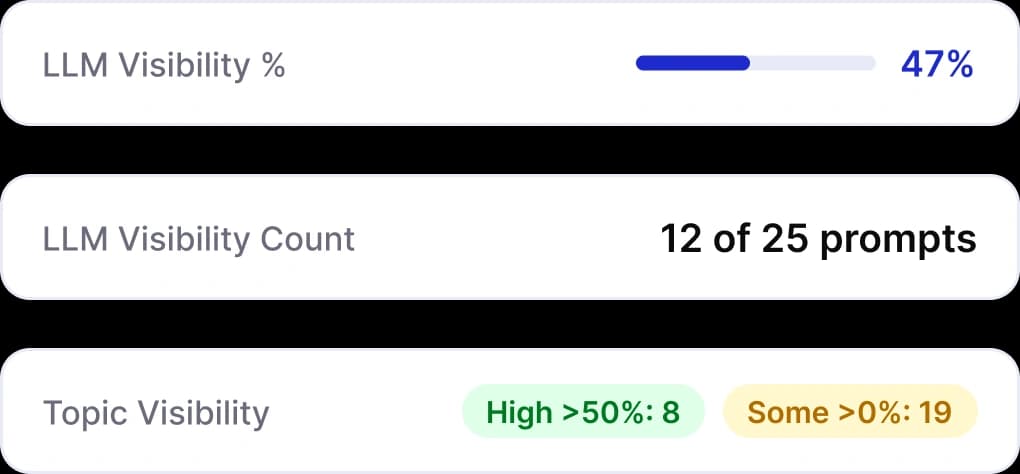
Handles how all visibility data, including competitive data, gets presented to clients through white label reports and client logins.
Analyze & Improve
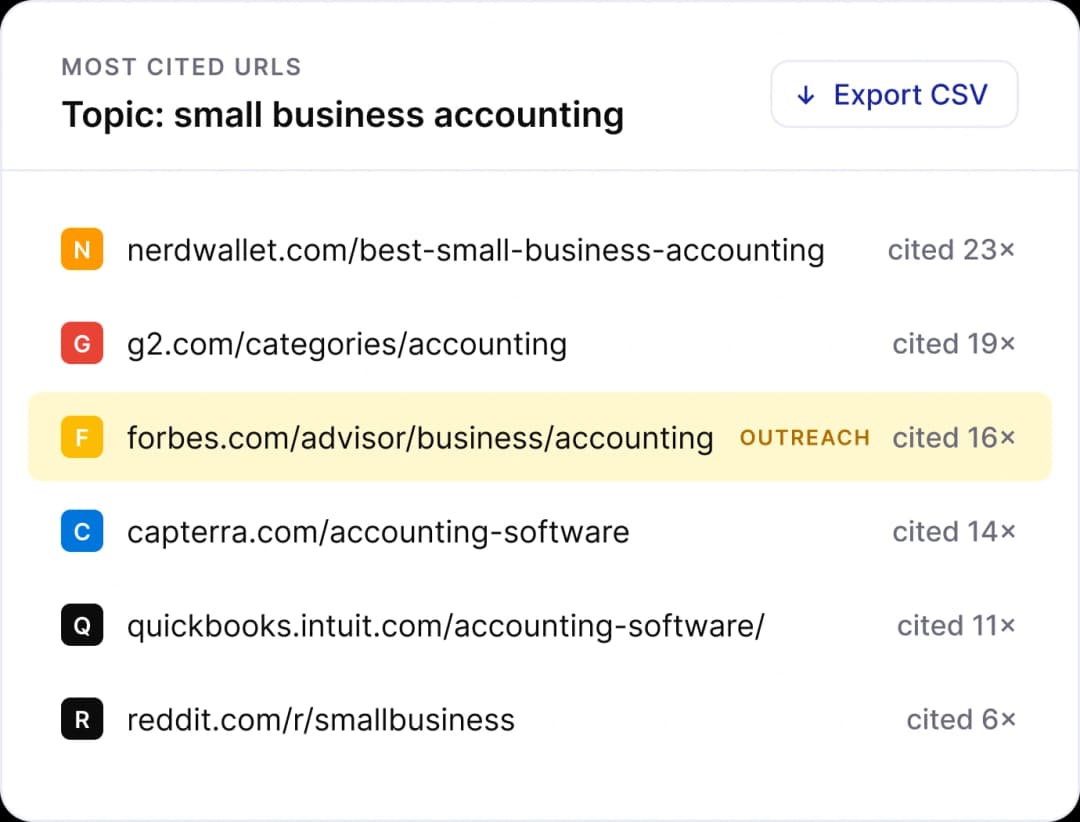
Shows which brands are appearing most in LLM answers and which sources are being cited most for each topic — its gaps view and this one approach the same problem from the source side and the brand side.
Know exactly where you stand against rivals
Track ChatGPT, Perplexity, Gemini, Google AI Overviews, Google AI Mode, and Claude. Unlimited brands. Unlimited users. Starting at $25/month.